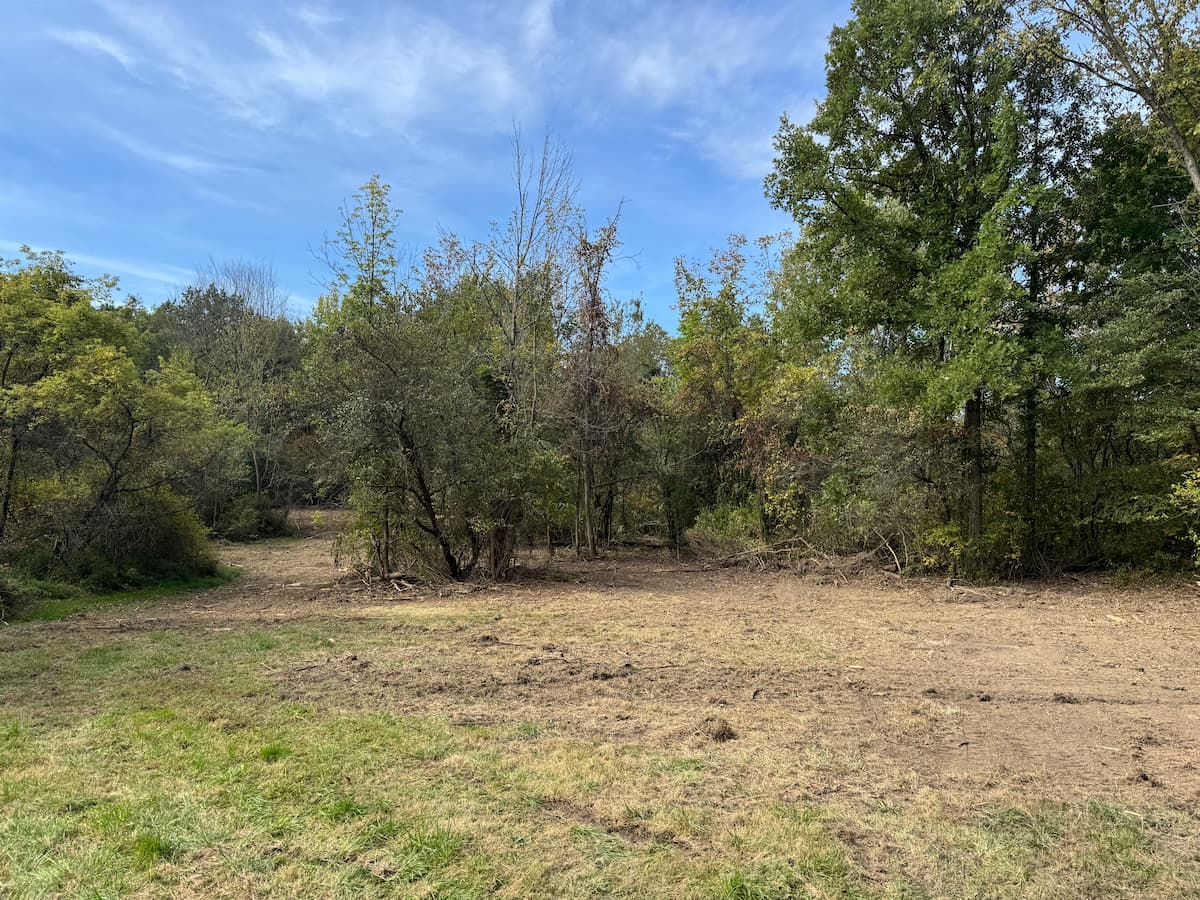
If you are planning forestry mulching in Port Huron, MI, a little prep goes a long way. This checklist helps you get your property ready so the forestry mulching service runs smoothly, finishes on time, and delivers the results you want. It also reduces surprises for you and the crew from Stafford Land Management.
For background on how the process works and what equipment may arrive, browse our main services page. You can also learn more about land care tips in our local articles at land management articles. If you are comparing options for forestry mulching in Port Huron, MI, this guide will help you prepare with confidence.
Why Timing Matters In Port Huron’s Climate
Port Huron weather shapes ground conditions. Along the Lake Huron shoreline and the Black River, spring thaw can saturate sandy and clay soils. When the ground is soggy, machines can leave ruts and the mulch layer may not sit evenly. In late fall, leaf drop improves visibility and the soil is often firm, which can be ideal for selective clearing.
Think about your goal date and work backward. If you want a cleaner view by Memorial Day, aim to schedule before early May. If your property in Fort Gratiot or Kimball Township holds water after storms, allow extra drying time. **Avoid scheduling during the spring thaw** when the frost comes out and the top few inches turn to soup.
Walk The Property: Boundaries, Hazards, And Goals
Before the crew arrives, take one slow walk of the area to be mulched. Note your property corners, any survey stakes, and features you care about keeping. If you have shared fences or a line near a neighbor in Marysville or Burtchville Township, double check the boundary on your survey or deed.
Use bright tape or temporary flags to label what matters. Mark trees to save, the centerline of future trails, drain tiles, low stumps, or old fence wire. If you have known wet spots or a ditch that feeds toward Lake Huron, flag those edges too so the operator can steer mulch placement.
For accuracy, place flags at eye level on the side facing the work zone. Replace any faded or torn flags the morning of the job. **Mark property corners** clearly so everyone has the same reference points.
Plan Access Routes For Heavy Equipment
Forestry mulchers and support machines need clear, stable paths. Measure the narrowest point of your driveway and gates. Trim back low branches and check for soft shoulders that might crumble near ditches along Range Road or in older subdivisions on the north end of Port Huron.
Decide where equipment will park and stage. A flat, well-drained spot saves time and prevents lawn damage. Move trailers, boats, and extra vehicles out of the way the night before. If the work area is tucked behind a barn or down a two-track, set a simple route with flags every 30 to 40 feet so the operator does not guess at turns.
If you expect tight turns, let your project lead know ahead of time. A quick photo of the pinch points can help the team select the right machine width. This prep keeps the mulching crew flowing without delays.
Underground And Overhead Utilities: Call Before You Dig
Mulching works at ground level, but utilities can still be at risk. Call your utility locating service to mark gas, electric, cable, and fiber lines well before your scheduled date. Septic tanks, drain fields, irrigation lines, and pet containment wires should be flagged by you or the installer records you have on hand. If you have a private well, mark the cap and any visible lateral piping.
Overhead, check for low service drops and tree limbs that hide lines. Share any concerns with your project manager during the pre-job call. This reduces downtime and keeps the site safe. **Call 811 before any ground-disturbing work** to request utility marks and wait for clearance windows when required.
Protect What You Want To Keep
Mulching is precise, but the operator sees best when you label priorities. Wrap a piece of flagging around trees to save and place a second flag a few feet out to outline a no-work zone. For garden edges, landscape beds, or young fruit trees, use temporary stakes to outline the edge. If there is a view you want to open toward the river or lake, stand where you plan to look and flag a few guide points in that direction.
Communicate which saplings should remain for screening and which invasive patches you want gone first. If you have pollinator plants or milkweed stands you value, note them. That context helps the operator shape the result, not just clear the area.
Clear Small Items And Give The Crew Room
Anything loose in the work zone can slow production. Walk the area and pick up what you safely can. Set aside items you want to save and put them in a protected spot near the house or garage. If you find old wire, netting, or a tarp tangled in brush, flag it so the crew can remove it efficiently.
- Move or remove yard art, kids’ toys, patio sets, and portable fire pits.
- Roll up garden hoses and store them well outside the work zone.
- Collect stakes, tomato cages, and loose fencing pieces.
- Store fuel cans and equipment away from any access path.
Local insight: Along the Lake Huron shoreline, winds can push chips and light debris farther than you expect. Ask your crew to start upwind and finish downwind to keep mulch tidy. In fall, a quick leaf blow after mulching can help the fresh mulch stand out and reduce yard cleanup.
Erosion, Water, And Cleanout Near The Shoreline
Many Port Huron and Lakeport properties include sandy lenses over clay. That mix drains quickly on top yet holds water below, which can surprise you after heavy rain. A well-spread mulch layer helps absorb splash and slow runoff on gentle slopes. If your project includes a swale or a path that channels water, point it out so the operator can feather mulch rather than stockpile it.
Near ditches or the Black River, request a lighter mulch pass on the very edge so water keeps flowing. If you plan to seed paths later, note those sections so mulch is spread thinner to make future prep easier. These small choices make maintenance lighter in the months after the job.
Think Through Your End Result
Mulching can serve different goals. Some homeowners want a trail network down to the water. Others want to reclaim pasture space for small livestock. A few are focused on a cleaner view from the deck toward tree lines. Share your top priorities so the operator can set pace and patterns to match your vision.
Decide on a general mulch depth and how fine you want the material. Coarse chips build a durable mat for trails. Finer mulch looks neater around trees and helps with moisture retention. If you want a screen along a road like Gratiot Avenue, consider leaving a curving natural edge rather than a straight line. It looks better and hides traffic more effectively.
Gather Simple Records And Contacts
Collect documents that might matter on job day. These do not have to be formal, just handy. Keep them in a single folder and set it by the back door for easy access.
- Property survey or a sketch with rough measurements.
- Any notes on prior utility work, septic layout, or irrigation zones.
- Photos of the work area from different angles, especially tight access points.
- Names and numbers of neighbors to contact if access might cross a shared lane.
Day-Of-Service Checklist
The morning the crew arrives, run through this quick list. It prevents common slowdowns and helps the team get started right away.
- Move vehicles so the access path and turnaround are open.
- Place a fresh marker at the driveway entrance if your address is hard to see.
- Walk the flagged area to confirm nothing important blew down overnight.
- Put pets in a quiet indoor room and tell family members about the work zone. **Keep pets secured indoors** until equipment leaves.
- Share any last-minute notes about soft ground or new utility markings.
Safety And Neighbor Courtesy
Let nearby neighbors know your schedule, especially on cul-de-sacs or flag lots. Ask them to keep driveways clear if equipment needs to pass. If you are near schools or bus routes, consider starting after the morning rush. Small gestures build goodwill and keep the site calm.
During work, stay outside the flagged zone. Operators maintain a safe buffer around machines. If you need to ask a question, wait for the operator to idle and make eye contact. This simple routine keeps everyone safe.
Aftercare: What To Expect From Mulch And Regrowth
Mulch settles for a few weeks as air pockets close and fines work down. Expect the layer to look fluffier on day one and then tighten up after a couple of rains. If you plan to walk trails often, light foot traffic helps set the surface. For lawn edges, a one-time edging pass later can create a clean border between turf and the mulched zone.
Plants respond to new light. Desirable saplings will push growth, and some brush species may resprout. Note any areas where you want to encourage a meadow edge or keep a woodland feel. A follow-up touch-up later in the season can keep regrowth tidy. If you want ideas for long-term land care, check out more reads in our land management articles.
Common Port Huron Site Types
Every property is different, but a few patterns show up around St. Clair County. Lakeside lots often have open, sandy sections with pockets of willow and aspen. Inland parcels near Kimball Township may feature heavier soils, older fencerows, and low, shaded spots that stay wet after storms. The checklist above fits all these situations with small tweaks: better access planning, clear flagging, and early utility marking.
If you are unsure about what to flag or save, walk the site with your project lead. Photos and a five-minute conversation are often enough to confirm the plan and avoid backtracking. You will end up with a cleaner, more natural look that matches your goals.
How Stafford Land Management Makes Prep Easier
Our team confirms access, reviews your flags, and walks the priority zone before starting. We set a tidy staging area, protect the features you mark, and keep lines of communication open. If weather shifts in Port Huron, we will advise on the best next step so the result holds up.
Ready to see what careful prep and skilled operators can do? Explore our approach and equipment on the forestry mulching service page to understand how the work fits your goals.
Ready To Schedule Your Forestry Mulching?
Give Stafford Land Management a call at 586-899-9795. We will confirm your checklist, schedule the right timing for Port Huron conditions, and set clear expectations before we arrive. For a quick overview of everything we offer, visit our services page, then reach out to book your date.
If you are comparing options or want a quick refresher on best practices, start with our homepage guide to forestry mulching in Port Huron, MI. When you are ready, we will help you plan, prep, and finish strong.
Final tip: If heavy rain is forecast within 24 hours, consider a rain date. A short delay can protect your lawn, improve chip placement, and leave a cleaner finish for the long term.


Looking For Top Rated Forestry Mulching in Port Huron? Book Now!
