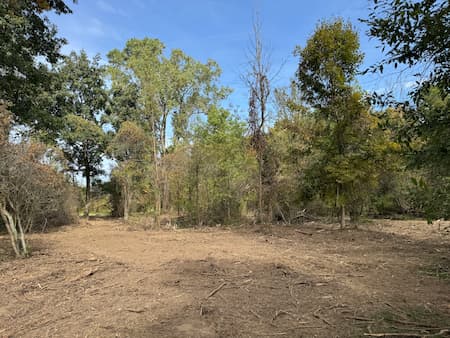
If you manage hunting land in Port Huron, you know how fast trails close up and food plots get choked by weeds. Consistent brush hogging in Port Huron, MI keeps access open, improves deer movement, and protects equipment and hunters from hidden hazards. When the cover is under control, you move more quietly, see farther, and spend more time hunting and less time battling overgrowth.
At Stafford Land Management, we use purpose-built rotary cutters to perform rough cut mowing that’s right for Michigan terrain. Our team plans the cut height, pattern, and timing around your property goals, so the work supports deer activity, not the other way around. If you’re ready to tighten up your access and edge work, our brush hogging service is the simplest way to keep your land hunt-ready from spring green-up through late-season sits.
Why Brush Hogging in Port Huron, MI Matters for Hunters
Port Huron sits on the Blue Water corridor, where lake breezes, summer storms, and long winters shape how vegetation grows. In late spring, grass and woody saplings race to the sun. By mid-summer, goldenrod, milkweed, and sumac can swallow narrow trails, forcing you to push through brush and make noise at the worst times.
Routine passes with a rotary cutter reset that growth. Think of brush hogging as a steady metronome for your habitat work: it trims tall weeds and woody starts before they harden, keeps sightlines open around stand access, and helps your boots and tires stay dry by discouraging ruts and puddles from forming in the travel lane. It’s a practical partner to rough-cut mowing in Michigan that supports your deer strategy without disturbing the whole woods.
There’s also a safety angle. Freshly cut trails make it easier to spot downed limbs, old fencing, or low spots that could twist an ankle or damage an ATV. Clean edges around food plots give deer a comfortable entry and exit, which can translate into more daylight movement and better stand options with common Port Huron winds.
The Seasonal Brush Hogging Schedule That Works
Every property is different, but a seasonal brush hogging schedule keeps you ahead of growth while limiting stress on preferred plants. Here’s a simple framework many local landowners follow and adapt with us as conditions shift:
- Late Spring Reset: Once soils dry after thaw, we take the first pass to knock back last year’s stalks and new woody shoots. This sets a clean base before summer heat kicks in.
- Mid Summer Touch-Up: A quick run trims seed heads and keeps trails quiet for scouting and camera checks. It also keeps ticks and burrs out of pant legs.
- Late Summer Edge Work: Tighten food plot edges and stand approaches so deer see a welcoming edge, and you move in without brushing against noisy stems.
- Early Fall Fine-Tune: Before archery opener, one last light pass on access lanes reduces noise and surprises. We avoid cutting bedding edges that deer rely on for cover.
Weather, soil moisture, and your goals all matter. Some seasons, one extra pass protects your lanes after a stormy July. Other years, a dry August lets us stretch the interval. When you want a plan that matches your acres and goals, we’ll map a seasonal brush hogging schedule that fits your stands and food plots without overworking the ground.
Trails That Stay Safe, Quiet, and Accessible
Trail quality sets the tone for your hunt long before you climb a stand. We aim for a width that fits your ATV or UTV with a margin for quiet travel. Cut height matters too. Setting the deck higher protects soil structure, helps the trail shed water, and leaves a softer, quieter surface underfoot.
Watch for hidden wire, rocks, and stumps along old fence lines and field edges. Professional crews scout and flag hazards so the cutter contacts plants, not steel or stone. The result is less blade damage, fewer flying objects, and safer trails for family and guests.
We also pay attention to corners and pinch points. Tight turns can push deer downwind of your approach if the cover gets thick. A gentle widening on the inside of a curve keeps animals comfortable and gives you more control over scent and sound as you slip in for an evening sit.
Food Plots That Pull Deer Day After Day
Food plots thrive when their edges are managed. When weeds and saplings creep in, they steal sunlight and moisture from your seed mix. Regular edge passes with a rotary cutter reduce that competition and help your clover, cereal grains, or brassicas make the most of Port Huron’s growing windows.
- Cleaner edges encourage consistent deer entry, instead of random trails that keep you guessing.
- Shorter competing weeds reduce pest pressure and make fresh, tender regrowth more available after rains.
- Better visibility helps you gauge plot performance and make timely adjustments to planting or stand placement.
Keep cut height higher during summer heat to protect moisture and reduce stress on desirable forbs and clovers. By late summer, a tidy perimeter and short staging areas near stand trees can make a big difference in how deer use your plot during legal shooting light.
Brush Hogging vs. Forestry Mulching: When Each Fits
Brush hogging and forestry mulching both control vegetation, but they shine in different roles. Brush hogging is ideal for maintaining existing trails, keeping plot edges clean, and clipping broad areas of grass and light woody growth. It’s fast, repeatable, and cost-efficient for routine maintenance across the season.
Forestry mulching, on the other hand, is better for heavier, woody encroachment, new trail creation through thickets, or reclaiming neglected corners. Mulchers grind small trees and brush into mulch on the spot, which can open sunlight and jump-start habitat improvements before you transition to routine mowing. If you’re deciding which path to take, talk with our local land management team about where a single mulching pass sets the stage, then regular brush hogging keeps your gains locked in.
What To Expect From a Professional Visit
Hunters don’t just need cut grass; they need cut grass in the right places at the right time. Here’s how a professional crew approaches it so your trails and plots support the way you hunt around Port Huron:
We start with a walk-through to understand stand access, prevailing winds, and how deer are currently entering food plots. Then we set a cut height that protects soil, equipment, and preferred plants. We trim the travel lanes first, then clean up plot edges, camera paths, and any staging areas you use for last-light sits. Gateways and parking spots get attention too, so trucks and UTVs move in quietly without brushing mirrors or banging racks.
Water and low areas get extra care. Where trails hold water, a slightly higher cut and small alignment tweaks can encourage drainage and reduce rutting. We avoid scalping and leave a uniform surface that stays quiet in dry spells and dries faster after a rain.
Common Local Challenges We Solve
Across St. Clair County properties, we see a few recurring issues. Narrow trails grow in from both sides, and equipment starts brushing stems long before you see the stand. Food plot edges get rough, pushing deer to enter where you don’t have a good wind. And after a wet stretch, tire ruts harden into spine-jarring tracks that spook game and rattle gear.
We counter with predictable, low-impact mowing windows that line up with your scouting and planting plans. Strategic edge cuts steer deer toward shot opportunities while protecting bedding. When heavier woody cover is the culprit, we’ll recommend a one-time mulching update in the off-season and transition you back to routine mowing.
Planning Your Year: Simple Steps To Stay Ahead
Success comes from planning, not from long hours on the tractor. Here’s a quick way to map your year so trails and plots are reliable from turkey season to late firearm season:
- Mark stands, winds, and quietest access on a printed map or phone app before the first cut of the year.
- Book brush hogging in two to three windows that fit your growing conditions, then adjust after big storms or droughts.
- Walk edges monthly to spot saplings and weed patches before they explode.
- Log deer entries and exits so we can fine-tune edges and staging strips ahead of the rut.
If you’d like a plan that fits your acres, stand setup, and planting calendar, our team can build it with you and roll the work into your normal check-ins. It’s the easiest way to make sure your access and food plots match the way you actually hunt, not just the way the map looks in January.
Keep Your Property Hunt-Ready
When you want trails that stay quiet and food plots that perform, partner with Stafford Land Management for reliable, well-timed maintenance. From spring reset to pre-season fine-tuning, our approach keeps you ahead of growth and focused on stands, not stems.
Want trails and plots that work as hard as you do this season? Call 586-899-9795 to schedule with Stafford Land Management and lock in the clean, quiet access your hunts deserve.


Looking For Top Rated Forestry Mulching in Port Huron? Book Now!
